

Excavation is a vital step in any construction project, serving as the foundation for all that follows. In the province of Ontario, understanding the nuances of excavation agreements can make a dramatic impact in the outcome of your endeavor. From residential builds to massive commercial endeavors, the proper excavation professional can ensure that your location is readied safely, effectively, and in accordance with all local regulations. This manual aims to assist you understand the complex landscape of excavation in Ontario, covering essential considerations like frost line levels, soil conditions, and legal requirements.
Choosing the right contractor requires beyond just searching for the cheapest price. You'll have to consider elements such as experience with local earth materials, knowledge of environmental regulations, and their capacity to manage specific challenges, including winter conditions and tight job site access. With the proper information and thorough planning, you can avoid common mistakes and set your endeavor up for success. Whether it's comprehending how water excavation protects subterranean utilities or understanding what permits are needed for sewage installations, this guide will provide you with the knowledge to make informed choices about your excavation endeavor.
Excavation Basics in the Province of Ontario
Excavation in the Province of Ontario plays a vital role in various development schemes, from residential homes to large business facilities. Grasping the basics of excavation is crucial for ensuring a favorable project outcome. This includes understanding the local frost line levels, which considerably influence foundation excavation. In Ontario, the frost line can hit depths of over 4 feet, depending on the specific region. Properly digging below this depth prevents foundation heaving and other problems during the freeze-thaw cycles common in the province.
Before any digging begins, it is crucial to conduct comprehensive site preparation. This involves not only verifying regulatory adherence, such as getting the necessary licenses, but also checking the site for potential dangers and planning for proper water management. A site readiness guide can help ensure that all necessary steps are taken, including locating existing utilities, which is where the Ontario utility locating service becomes essential. This service provides information on buried infrastructure, stopping costly accidents during digging.
Soil conditions across Ontario can change greatly, impacting excavation processes and techniques. Dense clay soil is common in the GTA, presenting unique challenges during excavation. Contractors must use effective soil management strategies and equipment decisions, especially when handling high water tables or during winter months when the ground is hard. Acquaintance with these factors not only aids in easy excavation but also supports long-term site stability and stops costly future maintenance.
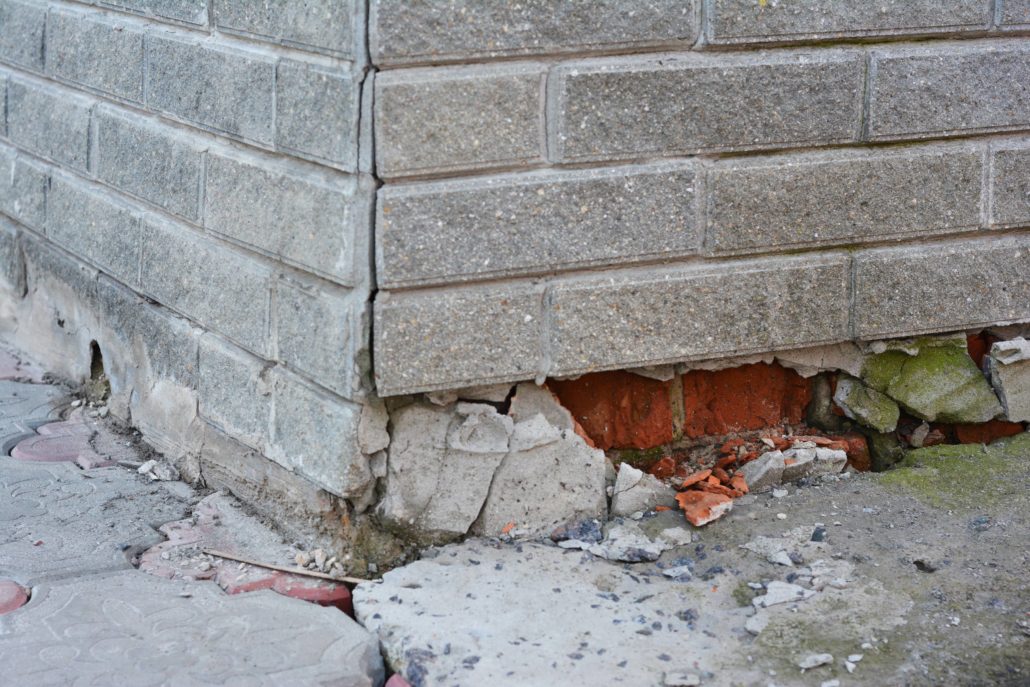
Safety and Compliance Factors
In Canada's Ontario, protection is crucial when it comes to excavation projects. Builders must comply with the Ontario Ministry of Labour regulations, specifically related to the safety of trenches and methods of shoring. Effectively structured shoring methods are crucial to avoid cave-ins that can lead to injuries to workers or fatalities. Additionally, a thorough grasp of ground conditions, such as the presence of thick clay or the influences of weather changes, plays a vital role in ensuring site security throughout the excavation undertaking.
Another important aspect of excavation work in Canada's Ontario involves compliance with local environmental authority regulations and obtaining the essential permits. Regulations around excess soil management, specifically O. Reg. 406/19, require detailed planning for the disposal of soil and management. Ecological considerations, such as protecting tree protection zones and following erosion control regulations, must also be incorporated into project planning. Not complying to meet these regulatory requirements can lead to monetary penalties, setbacks in construction, and harmful environmental impacts.
Furthermore, before commencing any excavation, it is imperative to contact Ontario One Call to determine buried underground utilities. This important measure helps avoid damage by mistake to subsurface utilities, ensuring the safety of workers and nearby buildings. Excavation in urban areas may bring further difficulties, such as tight access and potential disturbances to local infrastructure. In these circumstances, clear dialogue and detailed planning with all participants are vital to securing a safe excavation project.
Expense Considerations and Project Management
When hiring an earthmoving professional in the province of Ontario, grasping the various cost factors is crucial for successful project oversight. The expenses can fluctuate greatly based on project scope, type of soil, and site accessibility. For Excavation Companies , jobs that involve heavy clay soil, prevalent in the GTA, may necessitate specialized equipment and techniques, leading to the total cost. Additionally, Excavation Companies must factor in expenses associated with licensing, coverage, and compliance with municipal codes, all of which can affect the overall budget.
Another critical factor is the timeline of the excavation project. Weather conditions, especially in winter, can affect excavation work, extending project durations and potentially inflating costs. Contractors need to plan for frost line depths and the challenges posed by frozen ground during excavations in winter. Successful project management involves creating a feasible timeline that accounts for these factors, ensuring timely advancement while upholding safety protocols.
Liaising with your excavation contractor is key in managing costs and timelines. Frequent communication and discussions about any unexpected problems, such as the existence of polluted soil or excess water table conditions, can help mitigate delays and extra costs. A structured approach that includes a detailed scope of work, along with continuous interaction, can lead to a successful project outcome, keeping both expenses and deadlines in check.